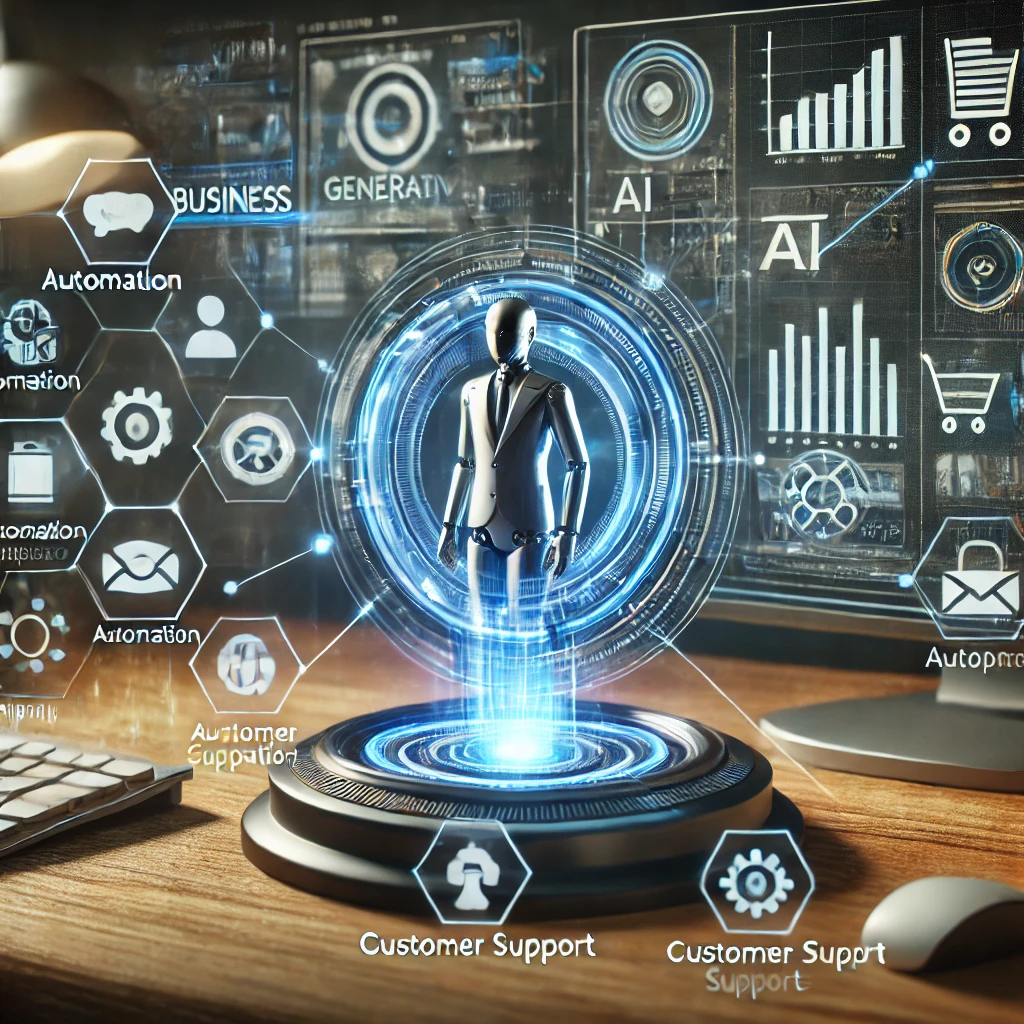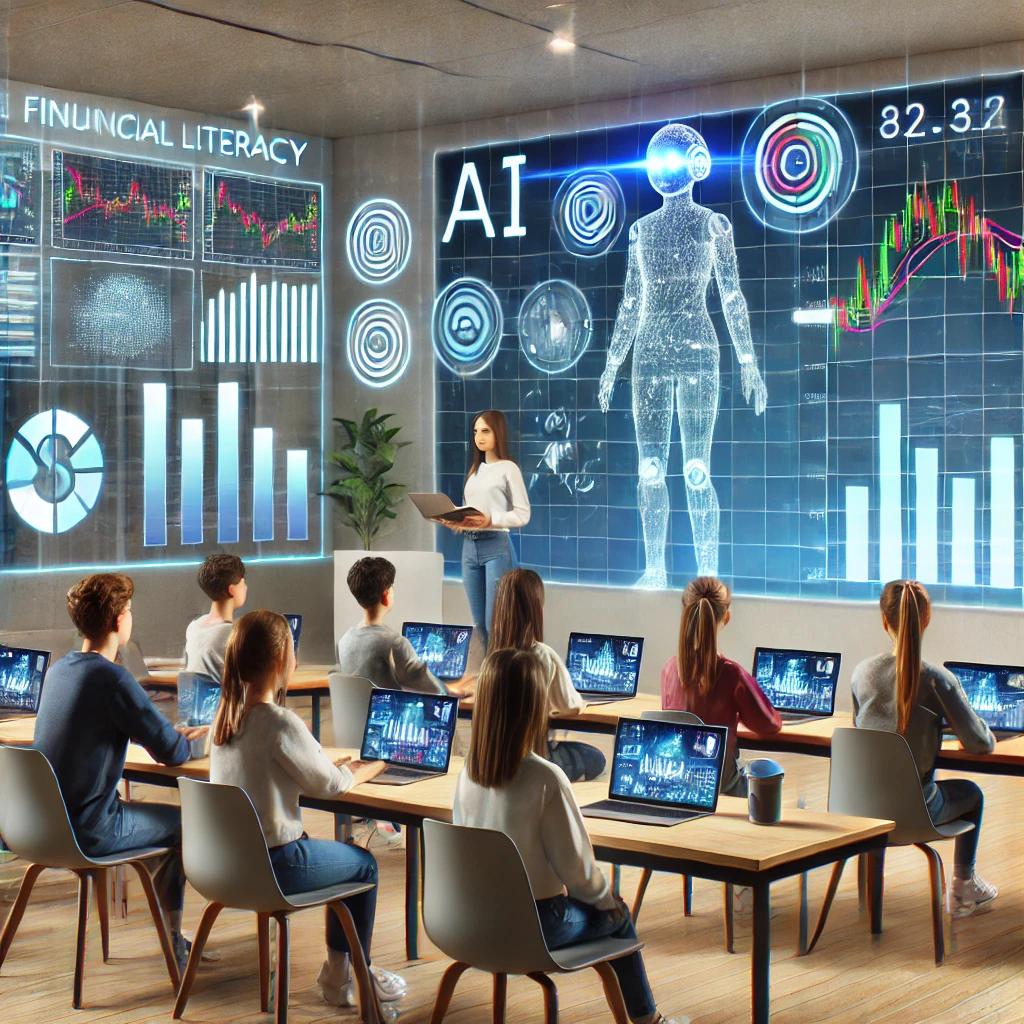
Welcome to ITTechBasics, your ultimate guide to understanding the foundational elements of information technology. In today’s digital era, having a grasp of basic IT concepts is no longer optional but essential for personal and professional growth. Whether you’re a young adult stepping into the tech world, a career changer, or simply someone eager to enhance your digital literacy, this guide is designed to equip you with the necessary IT knowledge.
Introduction to IT Basics
Why IT Basics Matter
The importance of IT basics cannot be overstated. As technology continues to permeate every aspect of our lives, understanding IT fundamentals is crucial. From managing personal data to ensuring cybersecurity, these skills are indispensable in navigating our digital world.
Overview of IT’s Role in Modern Society
Information technology plays a pivotal role in modern society by driving innovation and efficiency across all sectors. From healthcare to finance, education to entertainment, IT solutions are at the core of operational success and user experience. Learning IT basics not only empowers individuals but also enhances organizational productivity.
Key Concepts in IT
Understanding IT Infrastructure
IT infrastructure refers to the composite hardware, software, network resources, and services required for the operation and management of an enterprise IT environment. Mastering the basics involves understanding components such as servers, storage, networking equipment, and software applications that support business processes.
Network Security Essentials
Network security is a critical aspect of IT that protects data and resources from threats. For beginners, it’s important to understand firewalls, encryption, and intrusion detection systems as foundational elements of cybersecurity. These tools prevent unauthorized access and preserve data integrity.
IT Tools and Software
Essential Tools for Newcomers
- Operating Systems: Familiarize yourself with Windows, macOS, and Linux.
- Productivity Software: Get comfortable with Microsoft Office Suite and Google Workspace.
- Communication Tools: Understand the basics of email clients and video conferencing platforms.
Software Everyone Should Know
Knowing how to use certain software can significantly enhance your IT proficiency. Key software includes antivirus programs, web browsers, and cloud storage services. These tools are integral to everyday tasks and data management.
Best Practices in IT
Effective Data Management Strategies
Data management is a cornerstone of IT. It involves organizing, storing, and retrieving data efficiently. Implementing data backup solutions and understanding database management systems like SQL can greatly improve your data handling capabilities.
IT Security Best Practices
- Regularly update software to protect against vulnerabilities.
- Use strong, unique passwords for different accounts.
- Enable two-factor authentication wherever possible.
- Be cautious of phishing scams and suspicious links.
Exploring IT Careers
Key Roles in IT
The IT industry offers a myriad of career opportunities. Some key roles include:
- Software Developer: Focuses on creating applications and systems.
- Network Administrator: Manages and maintains network infrastructure.
- Data Analyst: Interprets complex data to aid decision-making.
- Cybersecurity Specialist: Protects systems from digital threats.
Skills Required for IT Professionals
To succeed in IT, one must develop a mix of technical and soft skills. Proficiency in coding, understanding of networks, and problem-solving abilities are highly valued. Additionally, communication skills and adaptability are essential for collaboration and continuous learning.
Future Trends in IT
Emerging Technologies to Watch
Emerging technologies are reshaping the IT landscape. Key trends to watch include:
- Artificial Intelligence (AI): Enhancing automation and decision-making.
- Internet of Things (IoT): Connecting devices for smarter environments.
- Blockchain: Revolutionizing data security and transparency.
The Impact of AI and IoT
AI and IoT are transforming industries by improving efficiency and creating new business models. For instance, AI in healthcare is enabling predictive diagnostics, while IoT in manufacturing enhances supply chain visibility. Staying informed about these technologies is crucial for future IT professionals.
Conclusion and Next Steps
Resources for Further Learning
To continue your IT education, consider exploring online courses, attending workshops, and reading industry publications. Resources like Coursera, edX, and LinkedIn Learning offer comprehensive courses to expand your knowledge.
How to Stay Updated in IT
The tech world evolves rapidly, making it essential to stay updated. Subscribe to tech blogs, join professional networks, and attend tech conferences to keep abreast of the latest developments and innovations in IT.
FAQs
- What are the most essential IT skills for beginners?
Basic computer literacy, understanding networks, and knowledge of cybersecurity fundamentals are essential. - How do I start learning IT?
Begin with online tutorials and courses that cover IT basics and gradually advance as you become more comfortable with the concepts. - What are the basic components of a computer?
Key components include the CPU, RAM, storage, motherboard, and power supply. - How does cloud computing work?
Cloud computing allows users to store and access data over the internet rather than on a local hard drive. - What should I know about cybersecurity as a beginner?
Understand the importance of secure passwords, recognizing phishing attempts, and the basics of data encryption.
In mastering ITTechBasics, you lay the groundwork for a successful journey in the digital world. Whether pursuing a career in IT or enhancing your personal tech skills, the knowledge gained here is invaluable. Embrace the learning process and stay curious about the ever-expanding realm of technology.